


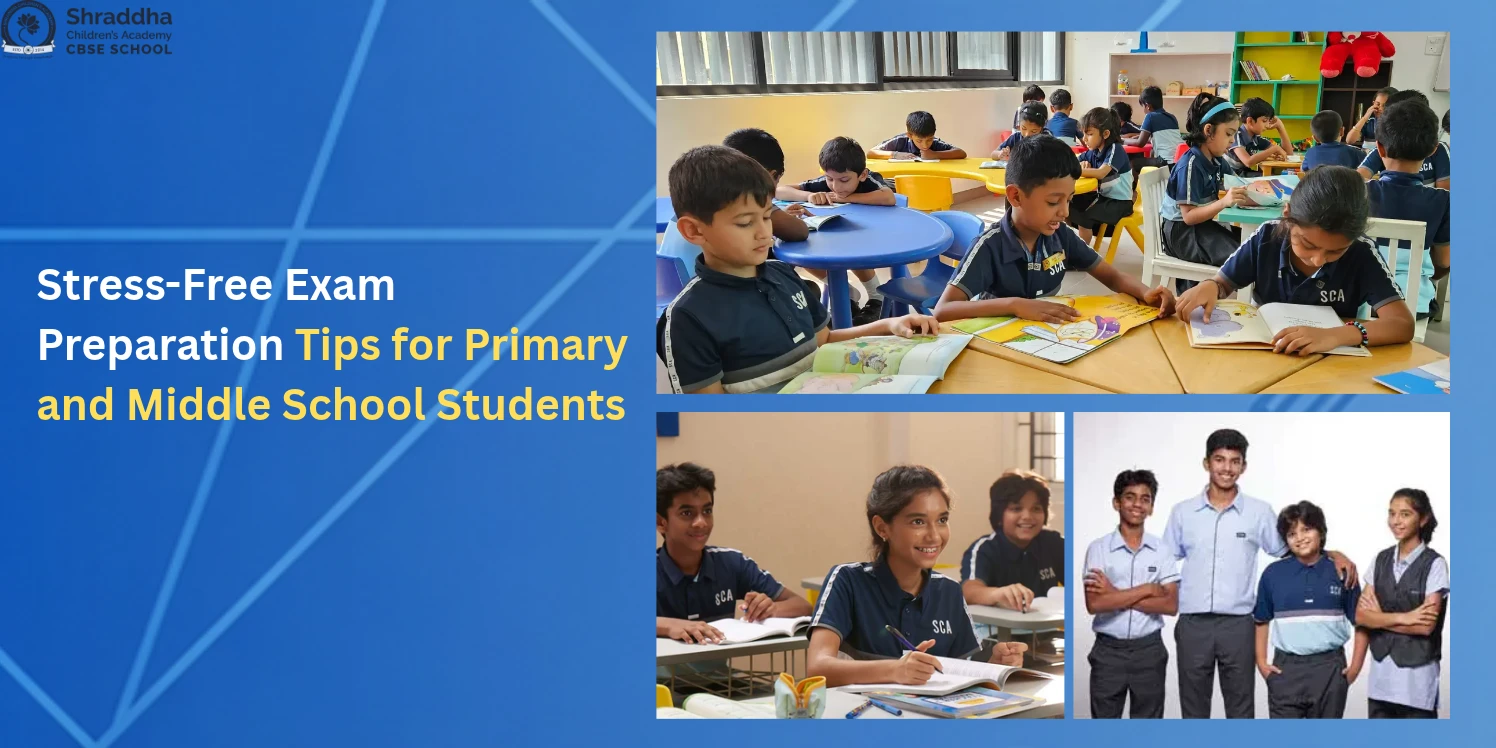
Examinations are part of a student’s learning journey, but preparing for them can sometimes feel overwhelming. Students may feel nervous, struggle to remember lessons or find it difficult to balance revision with other activities.
A calm, organised approach can make preparation easier. The goal is not to make children study for longer hours, but to help them understand lessons, revise consistently and feel confident.
Here are ten practical ways to make exam preparation more manageable.
1. Create a Realistic Study Timetable
A timetable helps children understand what they need to study and when. Divide the syllabus into smaller tasks and allocate time to each subject based on its difficulty and the revision required.
Include homework, meals, breaks and playtime. Younger children may benefit from shorter study sessions, while middle school students can gradually practise managing longer ones.
2. Begin Revision Early
Leaving revision until the last few days can make the syllabus difficult to manage. Encourage children to revisit classroom lessons regularly instead of waiting until the examination schedule is announced.
A short daily review helps them remember important concepts and identify doubts early. Starting in advance also gives students time to practise difficult topics without rushing.
3. Break Large Tasks into Smaller Goals
Looking at an entire chapter or subject can feel overwhelming. Divide the workload into achievable goals, such as learning five definitions, solving a few Mathematics problems or revising one section of a Science lesson.
Encourage children to track their progress. Small, achievable tasks make studying feel more manageable and help build a sense of accomplishment.
4. Set Up a Comfortable Study Space
A quiet, well-lit and organised study area can help children concentrate. Choose a comfortable space with enough room for books, notebooks and stationery.
Keep essential materials within reach and reduce distractions such as television, loud conversations and unnecessary phone use. A consistent study environment can also help children develop better learning habits.
5. Try Different Learning Techniques
Reading textbooks repeatedly may not always help children understand or remember information. Encourage them to use methods that suit the subject.
- Flashcards: Practise definitions, vocabulary and formulas.
- Mind maps: Connect related ideas and concepts.
- Practice questions: Check understanding through exercises.
- Diagrams: Use visual representations to revise topics.
- Explaining concepts: Describe lessons in their own words.
These techniques make revision more active and engaging while helping children identify what they have understood and what needs more attention.
6. Give Extra Attention to Difficult Subjects
Every student has subjects or topics they find challenging. Help your child identify these areas early and plan additional practice.
For example, a child who finds Mathematics difficult can solve a few problems each day and review mistakes to understand the concepts. Encourage students to ask teachers for clarification whenever they need help.
Parents exploring Schools In Kottivakkam can also enquire about how teachers identify individual learning needs and provide academic guidance to students.
7. Include Breaks and Playtime
Studying continuously can make children tired and reduce concentration. Short breaks allow them to relax and return to their lessons with better focus.
Encourage stretching, walking, listening to music or playing outdoors. Avoid replacing every break with screen time. Maintaining a healthy balance between academics and recreation is equally important during examination periods.
8. Practise with Worksheets and Sample Papers
Practice questions help students understand how their knowledge is applied in examinations. They also reveal topics that need further revision.
Use textbook exercises, worksheets and sample papers suitable for your child’s grade. Encourage students to attempt questions independently before checking their answers.
Discuss mistakes calmly and explain how to approach similar questions. The purpose is to improve understanding, not create pressure through scores.
Parents comparing the Best CBSE schools in Chennai can look at how schools incorporate regular assessments, practice activities and constructive feedback into their academic approach.
9. Prioritise Sleep and Healthy Habits
Exam preparation should not come at the expense of a child’s health. Adequate sleep, nutritious meals and regular physical activity help children maintain energy and concentration.
Keep sleeping and waking times consistent, even during revision periods. Avoid late-night study sessions, especially before examinations.
Families exploring Schools Near Padur Chennai can also consider how schools encourage students to maintain a balanced approach to academics and extracurricular activities.
10. Encourage Children Without Adding Pressure
Parents influence how children approach examinations. Constant reminders about marks, comparisons with classmates and criticism can increase anxiety.
Appreciate your child’s effort, consistency and improvement. Listen when they express concerns and help them find practical solutions.
Remind children that examinations are opportunities to understand their progress, not measures of their overall abilities.
How Can Schools Support Exam Preparation?
Schools play an important role in helping students develop effective learning habits. Regular classroom assessments, revision activities, doubt-clearing sessions and constructive feedback can make academic preparation more structured.
When evaluating CBSE Schools in Tambaram, parents can enquire about teaching methods, individual academic support and how teachers encourage students to become independent learners.
Similarly, visiting Schools In Kottivakkam gives parents an opportunity to understand the learning environment, interact with teachers and learn more about the school’s approach to academic development.
Shraddha Children’s Academy has campuses in Kottivakkam, Padur and Tambaram. Parents can enquire about the school’s academic approach, teaching practices and learning environment at each campus.
Conclusion
Stress-free exam preparation begins with consistent habits, realistic goals and encouragement. A manageable timetable, regular revision, practice questions, healthy routines and adequate breaks can help primary and middle school students approach examinations with confidence.
Parents and teachers should focus on making learning meaningful rather than placing excessive importance on results. With the right support, children can develop independence, strengthen their understanding and build a positive attitude towards learning.
Explore the learning environment at Shraddha Children’s Academy and enquire about the campus that suits your child.
FAQs
1. How early should children start preparing for exams?
Children should revise lessons regularly throughout the academic year. Focused revision can begin a few weeks before examinations, depending on the syllabus and the child’s learning needs.
2. How can parents reduce exam stress?
Create a comfortable study environment, establish realistic routines, encourage breaks and appreciate consistent effort rather than focusing only on marks.
3. What are effective revision techniques for middle school students?
Flashcards, mind maps, practice papers, self-quizzing and explaining concepts in their own words can make revision more engaging and improve understanding.
4. Why are breaks important during exam preparation?
Breaks help children relax, reduce mental fatigue and return to their studies with better concentration. They also leave time for physical activity and recreation.