


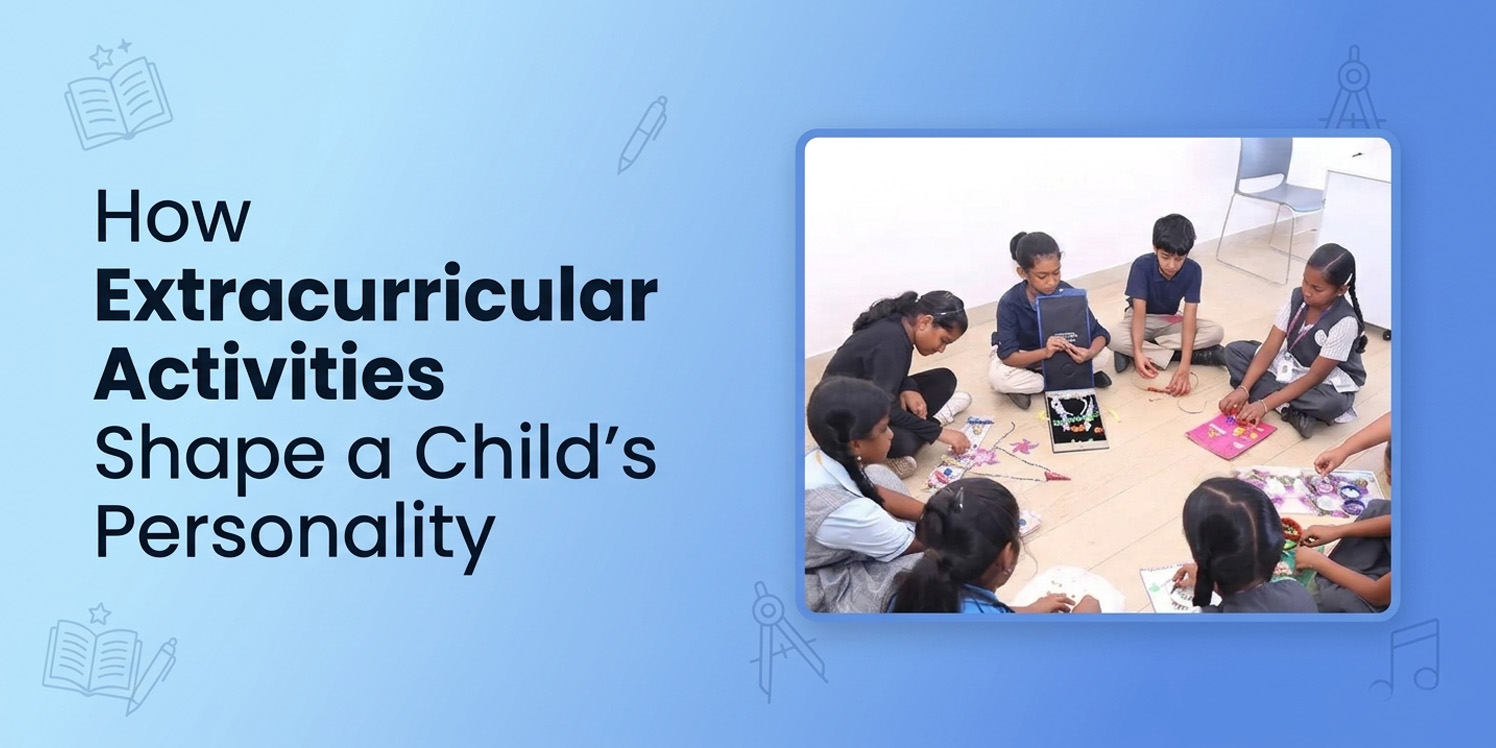
A child’s school experience is shaped by far more than marks and examinations. Some of the most meaningful learning happens in moments that are not always measured academically. A classroom presentation that helps a hesitant child speak confidently. A team activity that teaches patience and cooperation. A music performance that encourages self-expression. A sports practice session that quietly builds resilience.
These experiences may seem small individually, but together they play an important role in shaping personality.
This is why extracurricular activities are increasingly seen as an essential part of education rather than something separate from it. They give children opportunities to explore interests, interact with others, and gradually develop qualities that influence how they think, communicate, and respond to challenges.
Today, many parents searching for the best school in Chennai are looking beyond academic achievement alone. They are choosing schools that support confidence, creativity, emotional growth, and overall child development alongside structured learning.
Why Activities Beyond the Classroom Matter
Extracurricular activities help children experience learning differently. Unlike formal academics, these experiences often involve exploration, collaboration, movement, creativity, and communication.
Importantly, the value of these activities is not limited to competitions or achievements. Participation itself contributes to development.
Different activities support different aspects of personality growth:
- Sports may encourage teamwork, responsibility, and resilience
- Theatre and public speaking often help children become more expressive and self-assured
- Art and music may support creativity, patience, and emotional expression
- Clubs and collaborative projects can improve communication and leadership skills
More importantly, these experiences often help children discover strengths, interests, and qualities that may not always emerge in a traditional classroom setting.
Children Learn About Themselves Through Participation
Every child responds differently to experiences. Some children naturally participate in group settings, while others take time to feel comfortable. Extracurricular activities often create spaces where children can gradually discover confidence in their own way.
A child who may hesitate to speak in class might begin expressing ideas more freely during storytelling or theatre activities. Another child may develop discipline and perseverance through sports. Some children connect deeply with music, art, or collaborative projects because these activities allow them to express thoughts and emotions more comfortably.
Personality development often happens through these repeated experiences of participation, interaction, and encouragement.
This is one reason many parents evaluating the best schools in Tambaram or comparing schools in Kottivakkam increasingly value schools that provide balanced exposure beyond academics.
Confidence Develops Through Encouragement, Not Pressure
Confidence is rarely built instantly. More often, it develops gradually through repeated opportunities to participate and feel supported.
Children benefit when schools create environments where they can:
- Try new experiences without fear of failure
- Participate without constant comparison
- Feel encouraged to express themselves
- Learn through mistakes and reflection
When participation becomes more important than performance, children are more likely to engage openly and build confidence naturally over time.
This approach is especially important during the formative years, when children are still developing emotional security and self-awareness.
Emotional Growth is an Important Part of Learning
One of the most overlooked aspects of extracurricular activities is their contribution to emotional development.
Through group activities and shared experiences, children often learn how to:
- Work with different personalities
- Handle setbacks and disappointment
- Understand empathy and cooperation
- Manage emotions during challenges
- Build positive peer relationships
These emotional and social experiences are essential because they influence how children interact both inside and outside the classroom.
Schools that encourage collaborative participation help children become more emotionally aware and socially comfortable over time.
Creativity Helps Children Think Differently
Children also need spaces where they can think freely and explore ideas without rigid expectations.
Creative activities often provide this freedom. Whether through storytelling, music, innovation projects, art, dance, or theatre, children learn to approach situations with curiosity and imagination.
These experiences encourage:
- Independent thinking
- Flexible problem-solving
- Creative expression
- Curiosity and exploration
Parents searching for the best school in Padur increasingly look for schools that nurture these qualities alongside academics, recognising that creativity and adaptability are important life skills.
Personality Development Begins Early
The early years of schooling play an important role in shaping how children experience learning and social interaction. During the transition from play school to primary school, children begin developing confidence, communication skills, independence, and emotional awareness.
Activities involving storytelling, movement, collaborative play, music, and exploration help children become more comfortable interacting with others and expressing themselves naturally.
When schools consistently support children through these experiences, development becomes gradual, balanced, and meaningful.
This is why families exploring the best schools in Tambaram or researching schools in Kottivakkam often look for learning environments that support children both academically and emotionally from the early years onward.
The School’s Role in Holistic Development
A well-rounded school environment understands that personality development cannot be separated from education. Children need opportunities to explore interests, participate in different experiences, and develop confidence at their own pace.
Extracurricular activities should therefore not be treated as “extra,” but as part of a child’s overall learning journey.
Today, many parents searching for the best school in Chennai or considering the best school in Padur value schools that provide this balance between academics, creativity, emotional development, and experiential learning.
At Shraddha Children’s Academy, students are encouraged to participate in sports, clubs, creative programmes, leadership opportunities, and collaborative activities that support holistic growth. By creating environments where children feel encouraged rather than pressured, the school aims to help students gradually build confidence, communication skills, creativity, resilience, and emotional awareness through meaningful experiences both inside and outside the classroom.
FAQs
1. How do extracurricular activities influence a child’s personality?
Extracurricular activities help children develop confidence, communication skills, teamwork, creativity, emotional awareness, and resilience through participation and experience.
2. Why are extracurricular activities important alongside academics?
They support holistic development by encouraging creativity, social interaction, collaboration, and emotional growth beyond classroom learning.
3. Can extracurricular activities help shy children?
Yes. Activities such as storytelling, theatre, music, and collaborative projects can gradually help children feel more comfortable expressing themselves.
4. Do extracurricular activities improve social skills?
Group activities often help children learn cooperation, empathy, communication, and how to interact with different personalities.
5. Why do parents today look for holistic development in schools?
Many parents now value schools that support emotional well-being, creativity, confidence, and overall child development alongside academic learning.
6. How do schools support personality development from play school to primary school?
Schools support development through collaborative activities, creative learning experiences, play-based exploration, and opportunities that encourage confidence, independence, and social interaction from the early years onward.