


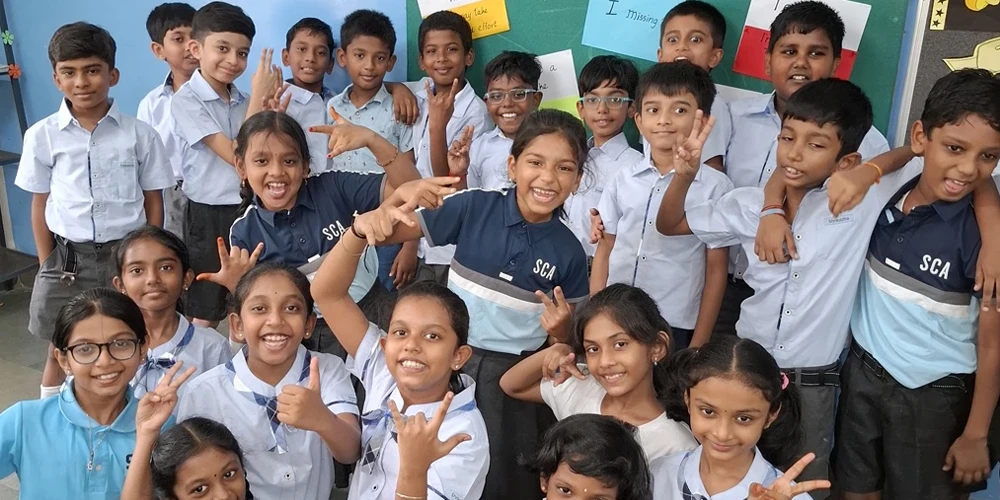
Long before children learn to read fluently or write complete sentences, they begin learning something just as important: how to relate to people around them. The early years of schooling play a significant yet subtle role in shaping how children communicate, share, express emotions, and form relationships. These social skills develop gradually, through daily interactions, gentle guidance, and meaningful experiences.
In a kindergarten school, social learning happens naturally. It occurs when children wait for their turn, listen to a classmate, ask for help, or learn how to handle small disagreements. These moments may seem simple, but they form the foundation for confidence, empathy, and emotional awareness later in life.
Let’s explore the essential social milestones children typically develop during kindergarten and how the right environment can support this growth in a balanced, thoughtful way.
Why Social Skills Matter in the Kindergarten Years
Kindergarten is often a child’s first experience of being part of a structured social setting outside the home. They learn that they are not alone in a space designed for them. There are peers with different personalities, teachers who guide rather than constantly instruct, and routines that help them feel secure.
Social skills help children:
- Express their needs appropriately
- Understand and respect boundaries
- Build friendships
- Cope with emotions like frustration or excitement
- Feel confident in group settings
A child who develops strong social skills early often finds it easier to adapt to academic expectations later. This is why many parents, when choosing a good school, look beyond academics and focus on how well the school supports emotional and social growth.
Key Social Milestones in Kindergarten
Every child develops at their own pace, but certain social milestones typically emerge during the kindergarten years.
Learning to Share and Take Turns
One of the earliest social lessons children encounter is that resources are shared. Whether it is toys, materials, or attention, children gradually learn that waiting and sharing are part of group life.
At this stage, sharing is not about perfection but understanding that others have needs too. Gentle reminders, modelling behaviour, and consistent routines help children grasp this concept without pressure.
Developing Communication Skills
Kindergarten is where children begin to use language not just to speak, but to connect.
They learn to:
- ask questions
- express feelings
- describe experiences
- listen to others
Activities like circle time, storytelling, and show-and-tell support language development while also teaching children how to speak in front of others and listen respectfully. These experiences build confidence without forcing children into the spotlight.
Understanding Emotions and Empathy
Recognising emotions in themselves and others is a crucial milestone. In a supportive kindergarten environment, children begin to:
- Identify basic emotions like happiness, sadness, and anger
- Understand that others may feel differently
- Respond with simple acts of empathy
These lessons are often integrated into everyday classroom moments rather than taught formally. Over time, children learn that emotions are natural and manageable.
Building Friendships
Friendships in kindergarten are often fluid, but they are meaningful. Children begin to choose playmates, form preferences, and experience both connection and disagreement.
Through guided interactions, children learn:
- How to initiate play
- How to resolve small conflicts
- How to reconnect after disagreements
These early experiences teach children that relationships require effort, communication, and understanding.
Following Simple Rules and Routines
Social skills are also built through structure. Understanding routines helps children feel secure and confident in group settings.
Daily routines teach children:
- predictability
- responsibility
- respect for shared spaces
A consistent environment allows children to focus less on uncertainty and more on interaction and exploration.
How a Kindergarten Environment Supports Social Development
The role of a kindergarten school is not to rush social development, but to support it patiently. Children need time, repetition, and reassurance to grow socially.
Schools that focus on holistic development create calm, predictable classrooms, encourage positive peer interactions, allow space for mistakes and learning, and guide children gently rather than correcting them harshly. This approach is often what distinguishes a best school from one that focuses only on early academics.
Social Learning Through Everyday Activities
Social skills are best developed through activities that feel natural and engaging.
Group activities help children:
- cooperate
- negotiate
- communicate clearly
Simple play-based interactions teach children far more than structured instruction alone. This is why many parents seeking the best kindergarten schools in Tambaram look for environments that balance learning with interaction.
The Role of Teachers in Social Skill Development
Teachers in kindergarten play a quiet but powerful role. Their responses, tone, and consistency shape how children understand social behaviour.
Effective teachers:
- model respectful communication
- guide children through conflicts calmly
- encourage independence while offering support
- observe rather than intervene unnecessarily
Rather than solving every problem, they help children learn how to navigate situations themselves. This builds confidence and emotional resilience over time.
How Shraddha Supports Social Development in Kindergarten
At Shraddha Children’s Academy, social development is approached with intention and care. Through the Shraddha Little Champs programme, children are supported as they adjust to group environments, routines, and peer interactions.
The focus is on creating a safe and welcoming classroom environment, encouraging positive peer relationships, helping children express themselves comfortably, and allowing them to grow socially at their own pace.
Shraddha understands that social learning cannot be rushed. It develops gradually, through consistent experiences and gentle guidance. This balanced approach is one reason families consider Shraddha as one of the best kindergarten schools in OMR and ECR and across Tambaram.
Why Parents Value Social Development in Early Education
Many parents today recognise that academic readiness alone is not enough. Children who feel socially confident are more likely to:
- participate actively in class
- adapt to new environments
- communicate openly with teachers
- manage transitions with ease
Choosing a top school often means choosing one that understands this balance between learning and life skills.
Conclusion
Social skills developed during kindergarten shape how children interact with the world well beyond the classroom. Learning to listen, share, express emotions, and build relationships forms the foundation for confidence and emotional well-being.
A thoughtful kindergarten school offers the space, guidance, and patience children need to develop these skills naturally. At Shraddha Children’s Academy, social development is an essential part of early learning, not an afterthought.
By focusing on connection, communication, and emotional understanding, Shraddha aims to prepare children not just for school, but for life beyond it. This steady, child-centred approach reflects what many families seek when looking for a good school that truly understands early childhood development.
FAQs
1. Why are social skills important in kindergarten?
Social skills help children communicate, build friendships, and feel confident in group settings. These skills support emotional well-being and future learning.
2. How can I tell if my child is developing social skills well?
Signs include willingness to interact with peers, expressing emotions, participating in group activities, and showing curiosity about others.
3. What if my child is shy in kindergarten?
Shyness is normal. With time, gentle encouragement, and a supportive environment, many children gradually become more comfortable socially.
4. How do teachers support social development?
Teachers model positive behaviour, guide interactions, and help children resolve conflicts calmly and respectfully.
5. Does social development affect academic learning later?
Yes. Children who feel socially confident often find it easier to participate, ask questions, and adapt to academic expectations.
6. How does Shraddha support social growth in kindergarten?
Shraddha focuses on structured routines, positive peer interaction, and a calm classroom environment that supports gradual social development.